Product
Why twelve shots
A small roll is a starting point. Choose a shot count that fits your event.
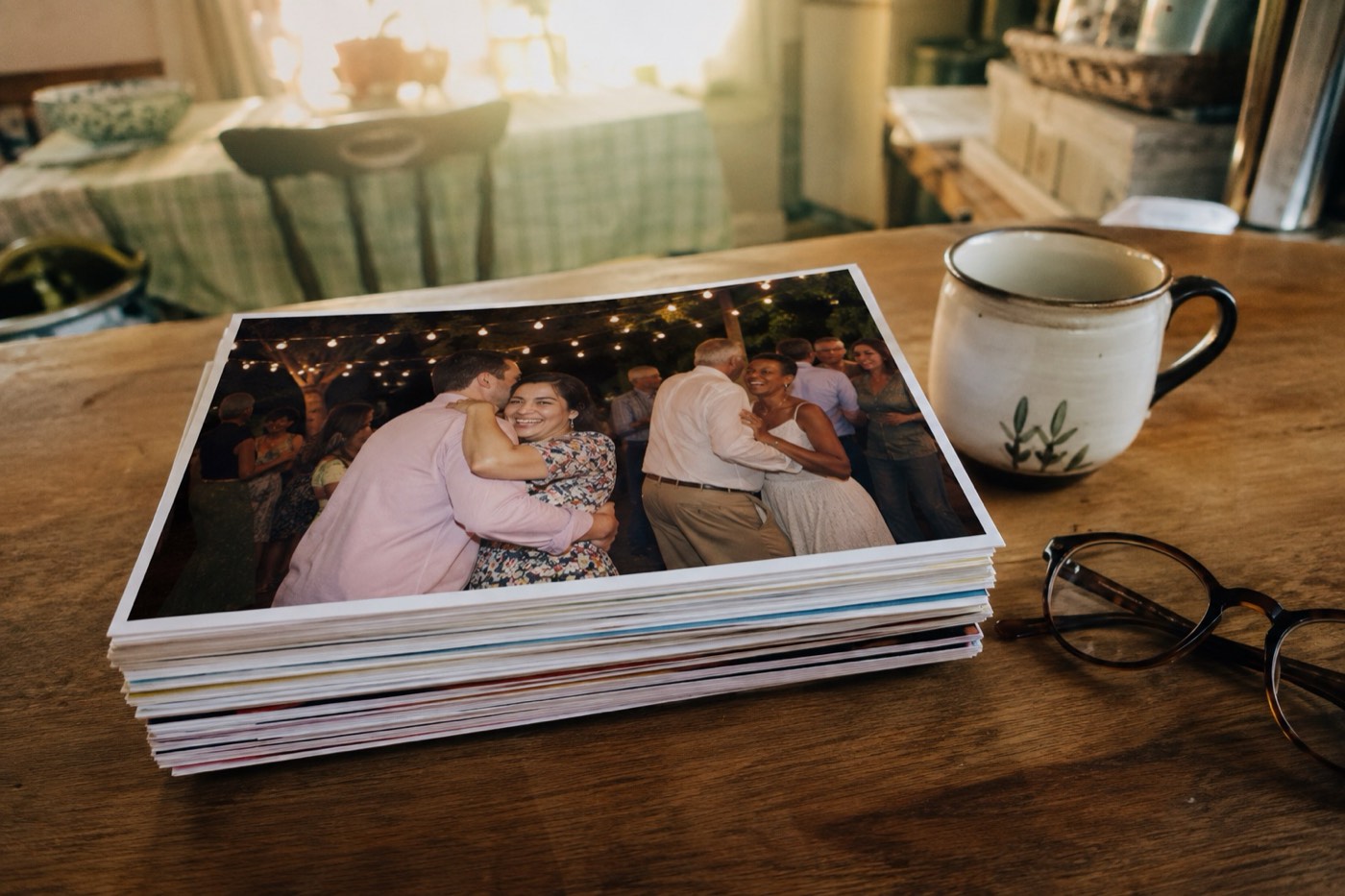
Twelve shots each gives every guest a small roll of their own. It can be a useful prompt to look around, pass the camera and choose a moment worth keeping.
A roll for your event
- Twelve shots each: a starting point for a dinner or party.
- Twenty-four shots each: more room for a wedding day.
- Thirty-six shots each: an option for a weekend together.
- Unlimited shots: for an event where you prefer to leave the count open.
These are suggestions, not rules. The host chooses the count and can increase it during the event. Lowering the count does not remove photos that guests have already taken.
Keep the price clear
A free film allows up to five people, including the host, with twelve shots each. A longer roll is a one-time upgrade: £3 for 24 shots, £6 for 36 or £9 for unlimited shots. These website prices are in pounds sterling; the iPhone app shows the App Store price before you pay.