All writing

Product

The case for waiting

Every photo app for the last fifteen years has competed on getting you the picture faster. We think that was the wrong race.

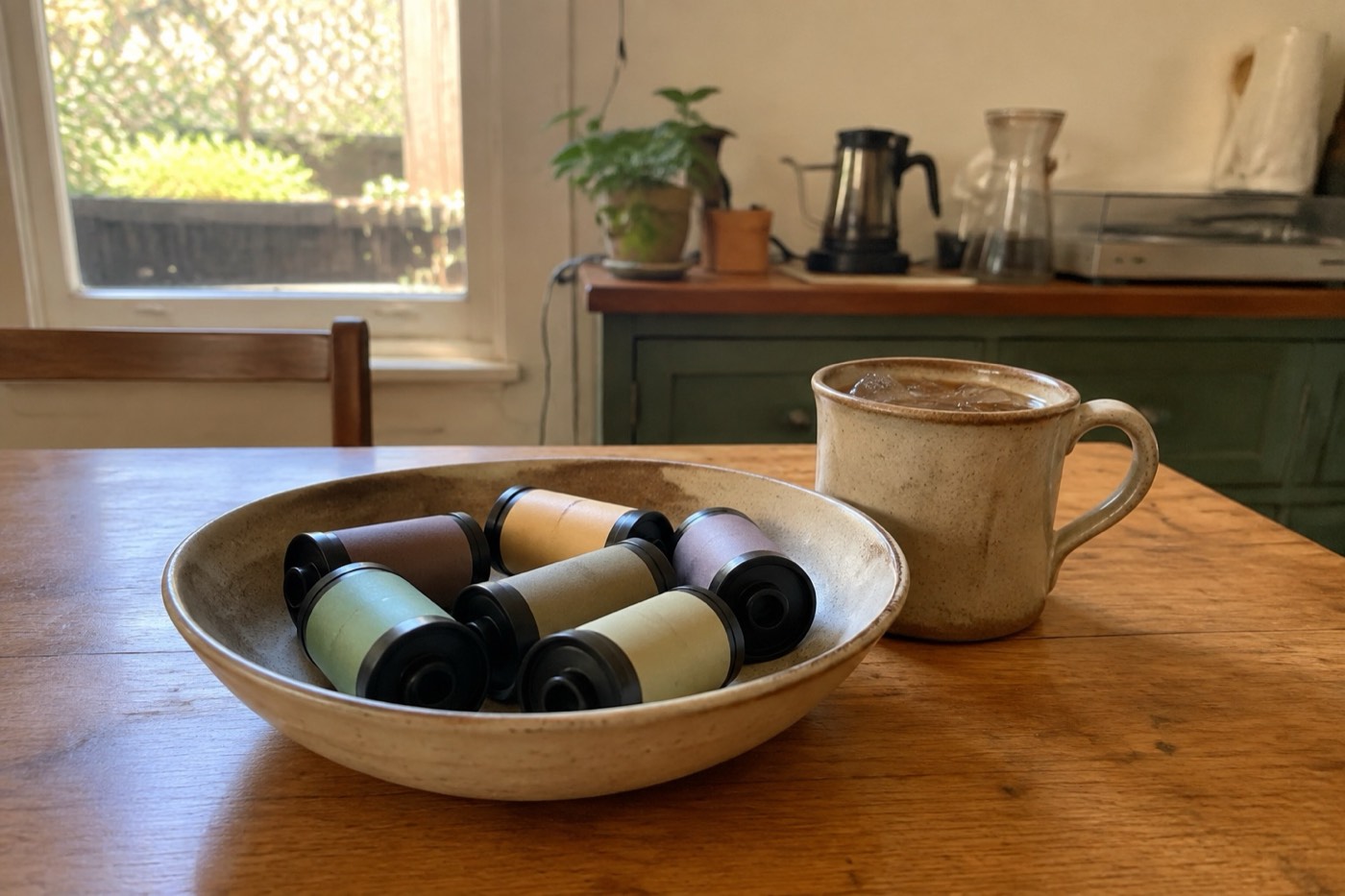
Exposed 35mm film canisters in a bowl on a kitchen table beside a cold mug, soft morning light
undeveloped

There is a specific moment at a party when someone takes a photo, looks at it, and takes it again. It lasts maybe four seconds. In those four seconds they are not at the party. They have stepped half an inch outside it to check the record.

Multiply that by everyone in the room and by every photo taken, and a meaningful fraction of the evening is spent auditing the evening. Nobody decided this. It is just what happens when the picture is available instantly.

What the delay actually bought

A disposable camera had a two-week delay baked into it, for boring chemical reasons. But that delay did three things that turned out to matter more than the convenience we traded it for.

  1. You could not check the shot, so you stopped trying to control it.
  2. You handed the camera to other people, because your own eye was not precious.
  3. The photographs arrived long after the feelings did, and landed much harder for it.

The third one is the interesting one. A photograph seen the same night is a receipt. The same photograph seen three weeks later is a memory. Same file, completely different object.

Nobody has ever said “I wish I had seen these sooner” about a roll of film.
Every host we asked
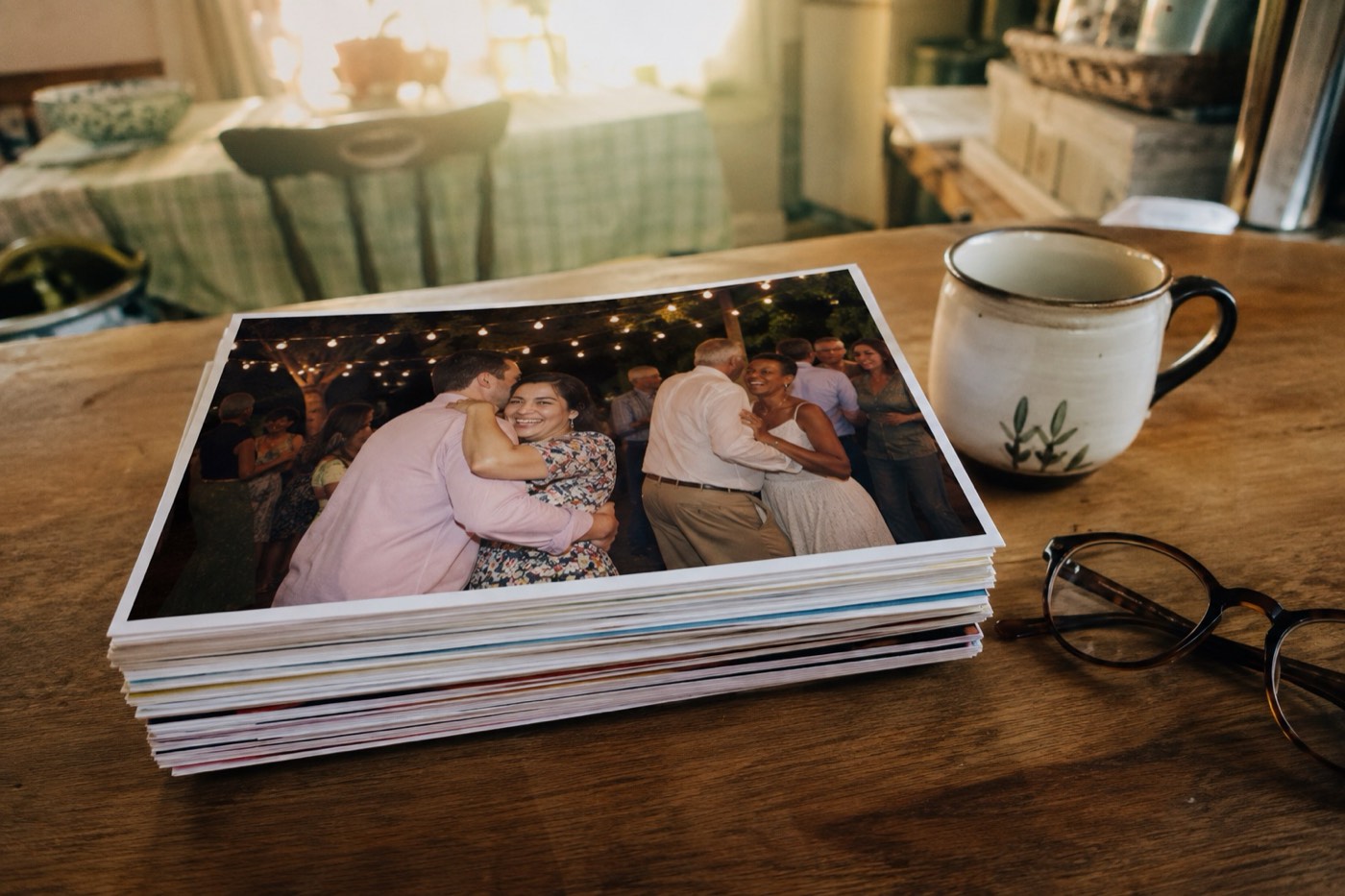
A thick stack of freshly printed party photographs on a kitchen table beside a mug and reading glasses
back from the lab

The obvious objection

People ask us for a live feed roughly once a week. Sometimes it is a venue, sometimes it is a couple who want a screen at the reception. We understand the appeal and we are not going to build it.

The moment one photo is visible, the incentive changes for every photo after it. A film with a live feed is not a film with a bonus feature; it is a different product that happens to share our name.

So the film stays sealed. You set when it opens. And then the whole night arrives at once, which is the only part of this we would call magic.